

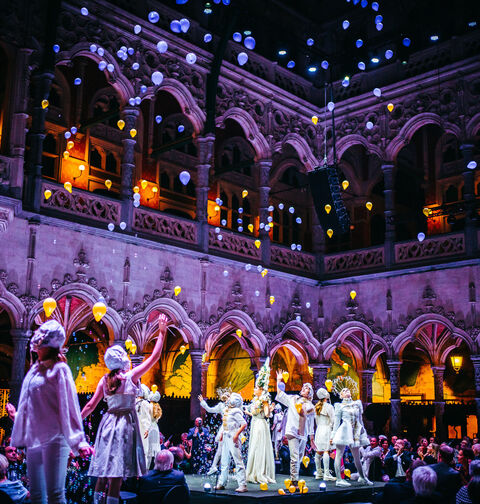

Nuestro software de eventos gratuito hace que la planificación de eventos sea tarea fácil.
Descubre software de eventosGetting started
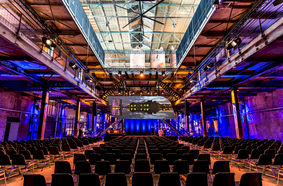
Alquiler de espacios para eventos
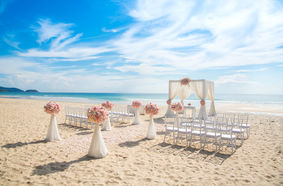
Planificador de bodas
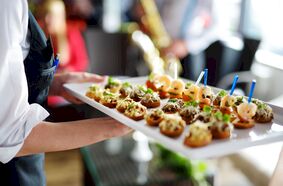
Catering para eventos
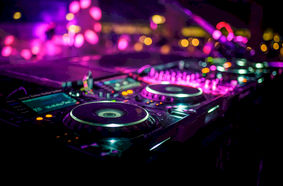
DJ - Deejay
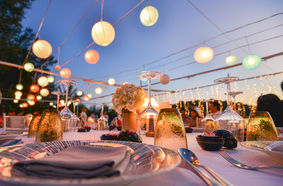
Alquiler de salones de banquetes
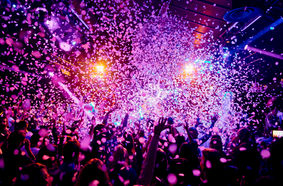
Agencias de eventos
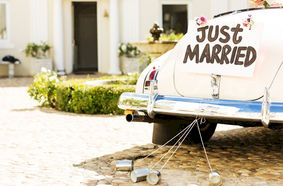
Alquiler de coches de ceremonia
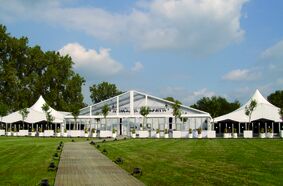
Alquiler de carpas
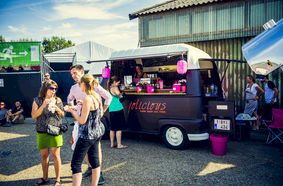
Camión de comida
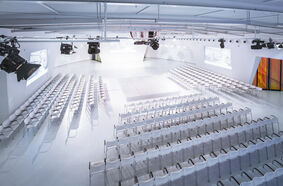
Alquiler de sala de conferencias
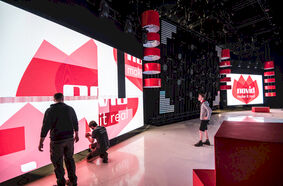
Alquiler de equipos audiovisuales
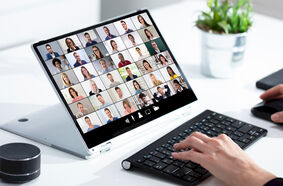
Plataforma de eventos virtuales
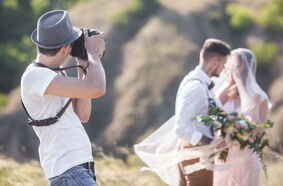
Fotógrafo de eventos
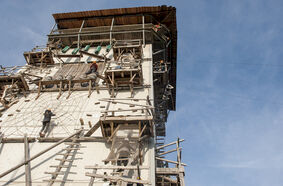
Formación de equipos
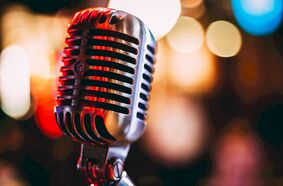
Presentador, moderador y ponentes
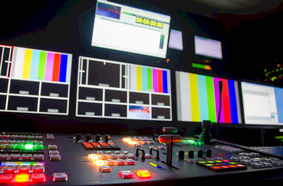
Seminarios web y transmisión de vídeo en vivo
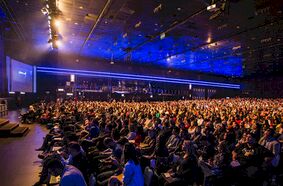
Organización de congresos y seminarios
Ciudades populares
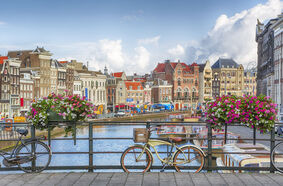
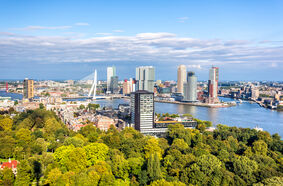
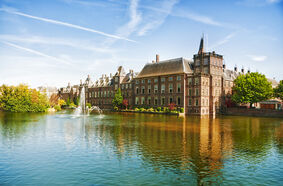
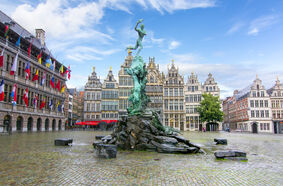
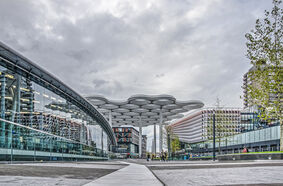
Proveedores de eventos inspiradores
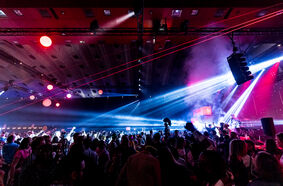
way2events
Llevamos más de 20 años organizando eventos para nuestros clientes. Tenemos visión, somos prácticos y tenemos el poder para hacer las cosas. Somos el socio de eventos empresariales que supera sus expectativas.
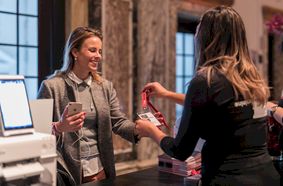
aanmelder.nl
Gestión de eventos y registro de asistentes: Organice su evento en línea usted mismo con Aanregistrer.
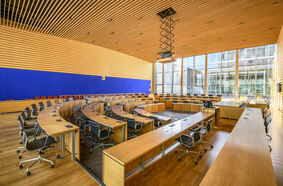
Provinciehuis Vlaams-Brabant
El gobierno provincial de Brabante Flamenco ofrece salas de recepción y reuniones para organizar reuniones, conferencias y diversas actividades cerca de la estación de tren de Lovaina.

Rene Pouwelse Advies Regie Productie
Mi nombre es René Pouwelse. Soy profesional de eventos. En este puesto, asesoro sobre creatividad, ejecución operativa y dirección.
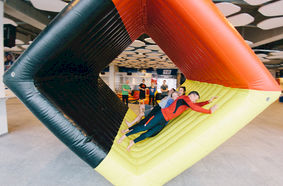
V-Formation
«Proveedores de diversión profesional», especializados en actividades de team building, alquiler de atracciones hinchables y eventos deportivos. ¡Servicios móviles con especial atención a la dinámica de grupo, la calidad y la diversión!
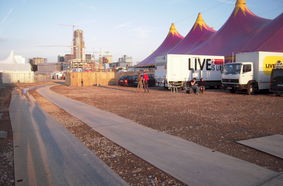
Stalenrijplaten.be
Alquilamos y vendemos planchas de acero y plástico para carreteras, así como esteras de madera para dragalinas. Ideales para facilitar el acceso a su evento, proteger el suelo o como pavimentación temporal.
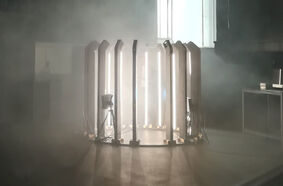
InZert 3D
Podemos proporcionar escaneos 3D premium de personas o productos para varias aplicaciones en línea y fuera de línea.
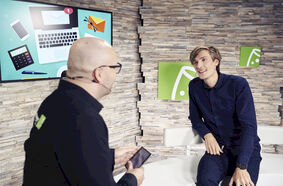
pinkminds.tv
¿Está buscando un estudio de transmisión en vivo para su evento en línea, transmisión por Internet o evento híbrido? ¿Un estudio de televisión para grabar tu programa de entrevistas? Nuestro estudio permanente está equipado para las producciones multicámara más exigentes en calidad broadcast. También retransmisiones en directo
Meerskat
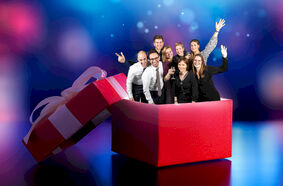
Con Meerskat, ofrecemos activaciones de marca en eventos públicos y corporativos mediante fotomatones, videomatones 360, pantalla verde con fotógrafo en directo, fotografía de alfombra roja y fotografía de eventos.

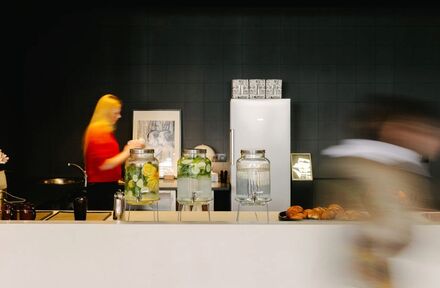
Situado en el corazón de Pegasus Business Park, en Diegem, a solo unos minutos del aeropuerto de Bruselas, (re)space Airport se consolida como el lugar de referencia para los profesionales que desean reunirse, organizar un evento o trabajar en un espacio donde el diseño y la funcionalidad van de la mano. De fácil acceso en coche, con más de 300 ...


Noticias, consejos y tendencias
más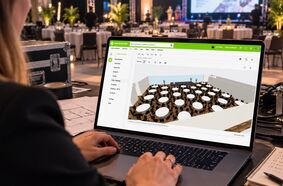
Planos de sala directamente en el diseño de tu evento
Todo diseño de evento empieza con la misma pregunta: ¿cómo es realmente la sala? Hasta ahora, la respuesta implicaba enviar un correo electrónico al espacio, recibir un PDF días después (o no recibirlo nunca) y pasar una tarde redibujando por tu cuenta paredes, pilares y puertas, con la esperanza de que cada medida fuera correcta.
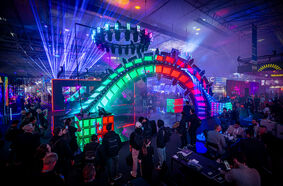
ISE 2027 pone a la industria de los eventos en directo en el punto de mira - Ahorra 300 €, ¡entrada gratuita para ISE!
Integrated Systems Europe (ISE) 2027 vuelve a Fira de Barcelona, Gran Via, del 2 al 5 de febrero de 2027, con una idea central: When Worlds Unite.

En Avenature trabajamos durante todo el año, con cualquier condición meteorológica y con grupos diversos.
Cada uno con su propio clima de equipo, en el que a veces, si nos lo piden, hacemos que sople el viento desde otra dirección.
En especial durante los meses de noviembre, diciembre y enero, observamos que las empresas tienen interés en «climatizar» de forma distendida ...


Últimos episodios de televisión
más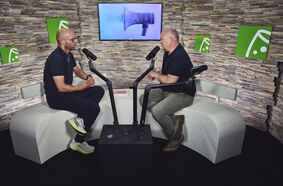
Por qué falla la comunicación y cómo solucionarlo
Ahora que tenemos más formas de comunicarnos que nunca, ¿por qué entonces parece más difícil lograr una comprensión genuina? En este episodio, el experto en comunicación Tom explica cómo la confianza, la autenticidad y el diálogo directo pueden superar el contenido generado por IA y la sobrecarga de información. También revela qué deben hacer los organizadores de eventos antes de que surja una crisis y por qué una comunicación honesta puede marcar la diferencia entre la frustración y la comprensión.
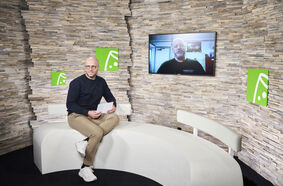
Pirotecnia y seguridad en eventos: detrás de escena con Brian Panther
¿Qué tan segura es la pirotecnia en los eventos? En este episodio, nos sumergimos en el emocionante pero riesgoso mundo de los efectos especiales con Brian Panther, un destacado experto en pirotecnia con más de 35 años de experiencia. Desde cómo evitar desastres en el escenario hasta desafíos climáticos y la seguridad de los artistas, Brian revela lo que se necesita para ejecutar espectáculos alucinantes de manera segura.

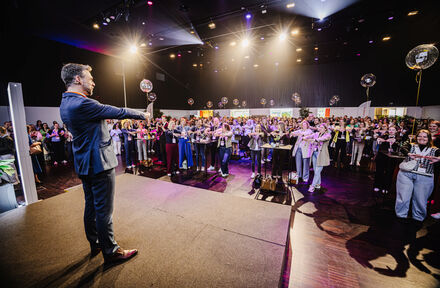
¿Cómo se consigue que un congreso, talleres y una entrega de premios formen juntos una experiencia coherente?
Para el Día del Profesional de Nóminas 2026 de SD Worx, la magia fue el tema unificador.
El evento tuvo lugar en dos ubicaciones: OffMeeting Waver y BluePoint Antwerp, donde se reunieron en total más de 800 profesionales de nóminas.


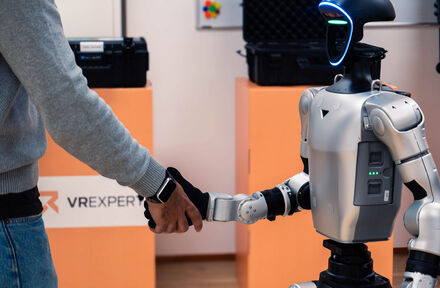
Este año, Festivak ofrecerá una bienvenida muy especial. En colaboración con Robot Expert (parte de VR Expert), unos robots recibirán a los visitantes en la entrada, ayudarán a repartir la revista de la feria y os darán una cálida bienvenida a Festivak 2026.
Pero Robot Expert hace mucho más que alquilar robots.


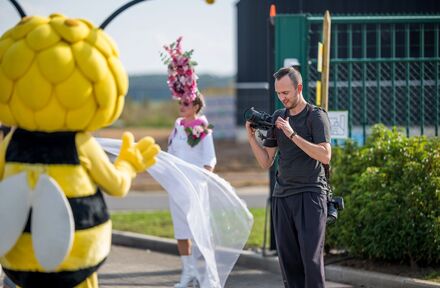
Para la jornada familiar con motivo del 50.º aniversario de DCM, reunimos la fotografía de eventos, el branding y las impresiones instantáneas en una única activación fotográfica móvil.
En la entrada, fotografiamos a cada familia con Maya de Bij. Las imágenes se enviaron directamente a una zona de impresión independiente, donde se imprimieron en menos de un minuto y se entregaron ...


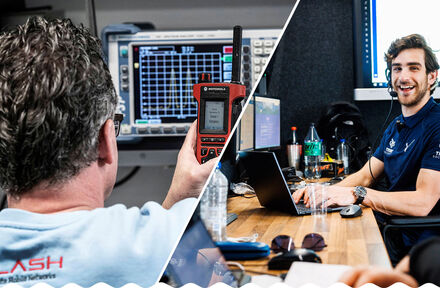
Entre bastidores, la seguridad, la comunicación y la movilidad determinan el verdadero éxito de un evento. En Festivak 2026 descubrirás cómo mantener el control cuando hay mucho movimiento:
* Seguridad y conexión: Conoce a expertos como Rens Noordeman, de Flash (stand #6-378), y Guus Stevering, de TRIBE (stand #6-356), en el recinto ferial.
* Movilidad inteligente: Asiste a la sesión de debate ...


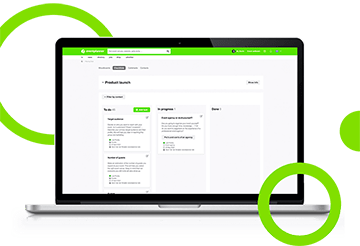
Event planning made easy.
Nuestro software de planificación de eventos gratuito tiene todas las herramientas que necesitas para planificar eventos verdaderamente memorables, ¡todo en un lugar conveniente!
Preguntas frecuentes
Haz crecer tu negocio de eventos
Incluye tu empresa en eventplanner.es, la comunidad de planificadores de eventos de más rápido crecimiento en el mundo. Compáranos con TripAdvisor, pero para administradores de eventos.
Incluye tu negocio ahora